Compare Local Contractors for Soil Aeration Services
Compare local contractors for soil aeration to define project scope, verify experience, and set clear expectations for a successful property improvement.
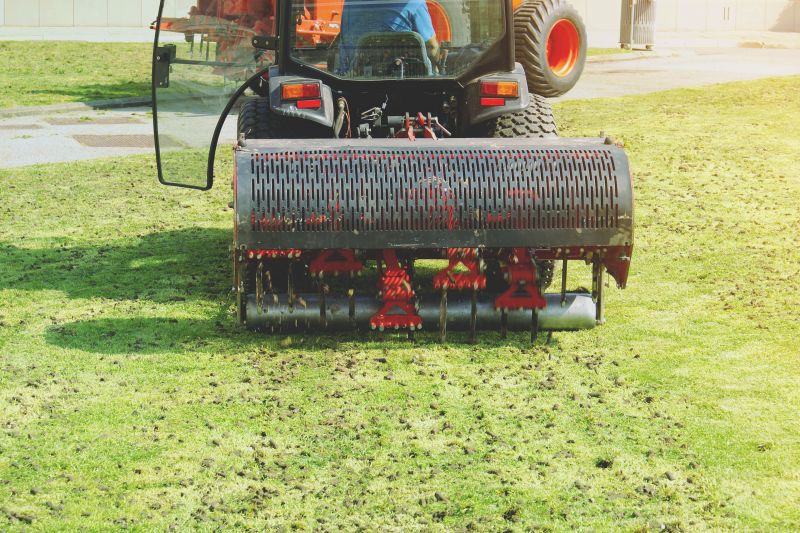
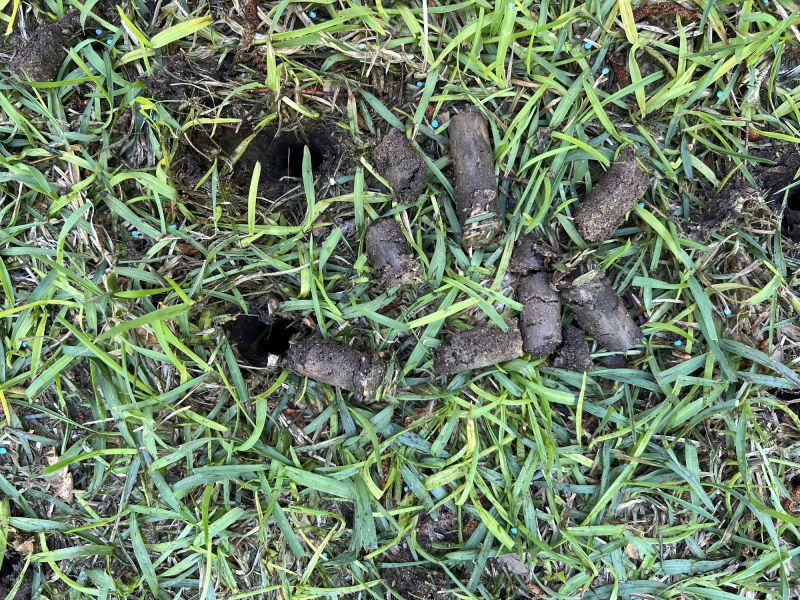
Soil aeration services typically involve creating small holes or channels in the ground to improve soil health and promote better water, air, and nutrient movement to plant roots. This process can help alleviate soil compaction, enhance the effectiveness of fertilizers, and support healthier turf or plant growth. Contractors specializing in soil aeration may use various equipment and techniques suited to different types of properties, whether residential lawns, commercial landscapes, or sports fields. Understanding the scope of work involved-such as whether core aeration or spike aeration is appropriate-can help property owners ensure the service meets their specific needs.
Defining the scope of soil aeration work is a crucial step in selecting a contractor. Clear communication about what the project entails, including the areas to be treated and the desired outcomes, helps prevent misunderstandings and ensures expectations are aligned. Property owners should consider detailing the size of the property, the type of soil, and any particular concerns or goals they have for the landscape. Having this information in writing before work begins can serve as a reference point, making it easier to compare proposals and verify that the contractor’s approach matches the project requirements.
When comparing local contractors for soil aeration, property owners should evaluate their experience with similar projects and check for relevant references or reviews. It’s helpful to ask about the methods and equipment used, as well as the contractor’s familiarity with different soil conditions and landscape types. Verifying that the scope of work, costs, and expectations are clearly outlined in writing can facilitate a smoother process and help avoid surprises. By considering these factors and gathering multiple bids, property owners can make informed decisions when choosing a service provider to handle their soil aeration needs.
Compare local contractors by outlining project priorities, verifying experience, and documenting scope to ensure clear expectations.
- Verify Experience - Ensure contractors have a proven track record with soil aeration services.
- Define Scope Clearly - Communicate specific project needs to establish expectations in writing.
- Compare Local Contractors - Review multiple service providers to find the best match for your project.
- Request Detailed Proposals - Obtain written descriptions of work to compare services and set clear expectations.
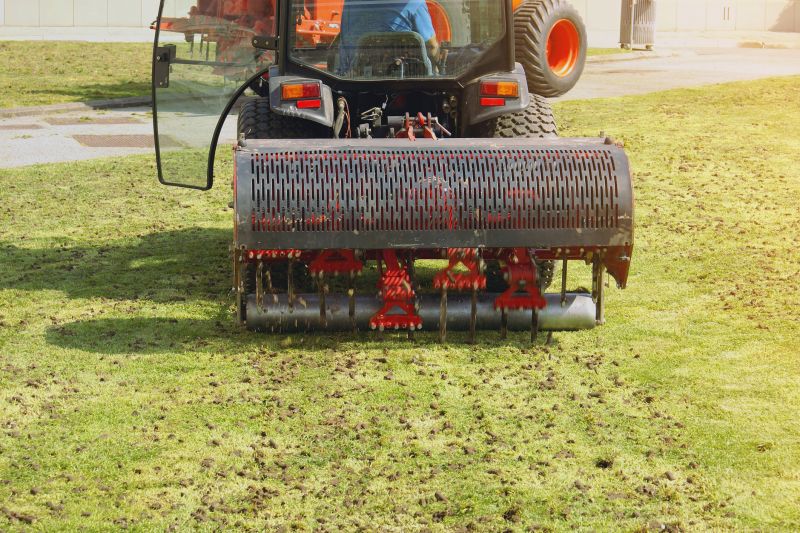
Clearly describe your soil aeration project to compare local contractors, verify experience, and set expectations in writing.
- Verify the experience and reputation of local contractors specializing in soil aeration services. Look for providers with a proven track record in completing soil aeration projects similar in scope and size.
- Compare the scope of work offered by different service providers to ensure all necessary tasks are included. Clarify what is covered in the service, such as equipment used and areas to be aerated.
- Ensure service providers can define the project scope clearly and in writing before work begins. This helps set expectations and prevents misunderstandings about the work to be performed.
- Check that local contractors understand the specific soil conditions and any site-specific considerations. Proper assessment can influence the effectiveness of the aeration process.
- Review the experience of service providers in handling soil types similar to your property’s. Experienced contractors are more likely to deliver quality results tailored to your soil’s needs.
- Confirm that all project details, including scope and responsibilities, are documented in a written agreement. Having everything in writing helps ensure clarity and accountability throughout the project.
Compare local contractors' experience, define project scope clearly, and confirm expectations in writing.
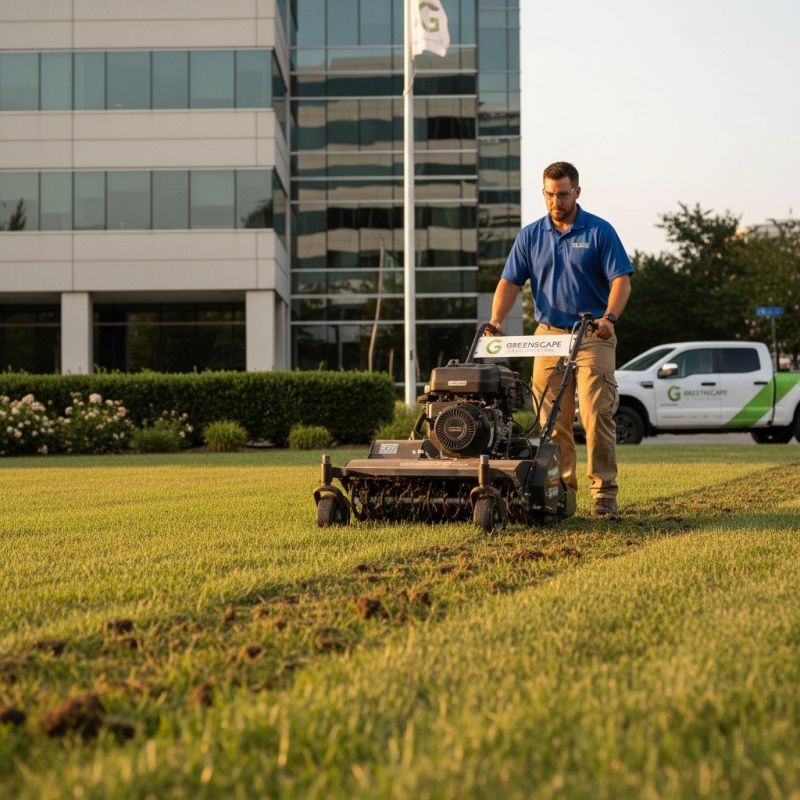
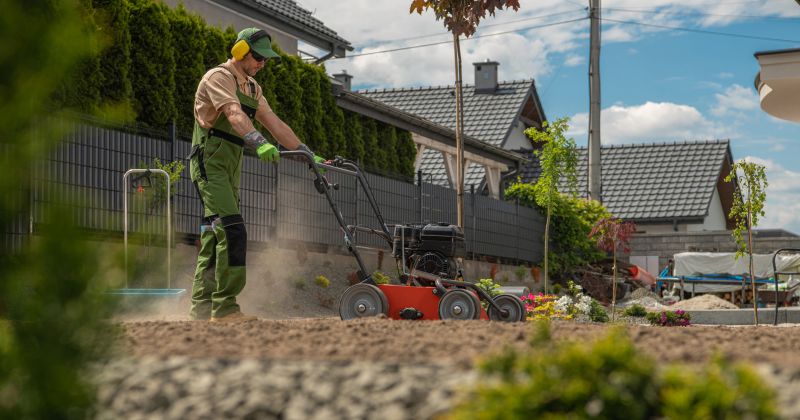
Compare local contractors' scope, experience, and written expectations to ensure consistency and clarity across providers.
- Scope Definition - Clearly outline the specific areas and extent of soil aeration required for the property.
- Method Selection - Determine the preferred aeration techniques and equipment to be used by the service provider.
- Experience Verification - Confirm the contractor’s experience with soil aeration projects similar in scope and complexity.
- Material and Equipment Details - Specify the types of tools, machinery, and materials that will be employed during the service.
- Project Expectations - Establish written expectations regarding the process, coverage, and any post-aeration recommendations.
When evaluating contractors for soil aeration services, it is important to consider their experience with similar projects. Homeowners should inquire about the types of properties or lawns they have worked on previously to ensure familiarity with the specific needs of their site. Contractors with a history of handling soil conditions and turf types comparable to those on the property can be expected to deliver more reliable results. Gathering information about their past work can help identify professionals who are well-versed in the nuances of soil aeration and can adapt techniques to different landscapes.
A clear, written scope of work is essential when comparing service providers. Homeowners should seek detailed descriptions of what each contractor’s soil aeration process includes, such as the equipment used, the depth of aeration, and any additional services offered. Having a comprehensive scope helps set expectations and ensures that all parties agree on the extent of the project. A well-defined scope also makes it easier to compare the offerings of different contractors and identify those who provide transparent and thorough explanations of their services.
Verifying the basics of a contractor’s experience involves more than just asking about their background. Homeowners should look for evidence of consistent work in soil aeration, such as references or case studies, and confirm that the contractor has the necessary equipment and knowledge to perform the job effectively. It’s helpful to ask how they approach different soil types and turf conditions, and whether they follow industry best practices. Conducting a simple verification of their experience can provide confidence that the service provider is capable of handling the specific requirements of the project.
When comparing options, it is important to evaluate how each contractor communicates and documents their proposed scope of work. Homeowners should review written proposals or estimates that outline the tasks involved, materials, and any relevant procedures. This documentation helps clarify what to expect and prevents misunderstandings. Additionally, asking questions about the contractor’s approach to soil aeration and their methods for ensuring quality can provide insight into their professionalism. By focusing on experience, scope clarity, and verification, homeowners can make informed decisions when selecting a soil aeration service provider.
Ask contractors to provide written scope details to ensure clear expectations and consistent project understanding.
- Soil Aeration Service Options - What specific methods and equipment do different local contractors use for soil aeration?
- Experience & Expertise - How can one verify the experience and background of local contractors providing soil aeration services?
- Scope of Work Clarification - What tasks and areas are included in the scope of soil aeration services offered by various service providers?
- Comparison of Service Offerings - How do local contractors differ in the scope and approach of their soil aeration services?
- Written Agreements & Expectations - What details should be documented in a service agreement to clearly define the scope and expectations for soil aeration?
What should I consider when choosing a soil aeration contractor? It’s important to compare local contractors based on their experience, scope of work, and reputation. Verifying their background and reviewing previous projects can help ensure a reliable service provider.
How can I define the scope of soil aeration services needed? Clearly outline the areas to be aerated and any specific requirements. Discuss these details with potential contractors to ensure they understand the project’s extent and your expectations.
What questions should I ask a soil aeration contractor during consultation? Inquire about their experience with similar projects, methods used, and how they plan to handle the work. Clarifying these points helps set clear expectations and ensures understanding.
Why is it important to get the scope and expectations in writing? Having a written agreement helps prevent misunderstandings, clearly defines what services will be provided, and serves as a reference throughout the project.
How can I verify the experience of local contractors offering soil aeration services? Request details about their past projects, seek references if available, and review any available reviews or reputation indicators to assess their expertise.
What should I do to compare different soil aeration service providers? Gather information on their scope of work, experience, reputation, and written proposals. Comparing these aspects helps identify the contractor best suited for the project.
By exploring these soil aeration service options, visitors have gained insight into how to identify qualified local contractors, clarify the scope of work, and ensure clear communication through written agreements. Comparing different service providers can help set the right expectations and find the best match for specific needs. Using the quote form allows for a straightforward way to connect with trusted local contractors who can handle soil aeration projects effectively.
Taking a moment to compare local service providers through the quote form can streamline the process of finding experienced contractors for soil aeration. It’s an opportunity to define project details, verify expertise, and establish clear expectations before proceeding. Engaging with local contractors in this way helps ensure the right professionals are chosen to meet individual soil and landscape requirements.