How to Tell When Your Lawn Needs Aeration
If your lawn shows signs like compacted soil or thin, patchy areas, local contractors can assess and perform aeration to improve its health.
Understanding when your lawn needs aeration is an important step in maintaining a healthy, lush yard. Property owners in the area might notice signs like compacted soil, standing water, or thinning grass, which can indicate that the roots are struggling to get the air, water, and nutrients they need. Recognizing these signals early can help prevent more serious issues down the line, and many local contractors offer professional aeration services to address these concerns effectively. Keep reading to discover practical tips on how to identify when your lawn could benefit from aeration and how local experts can assist in restoring its vitality.
By paying attention to common indicators such as soil compaction, uneven growth, or increased thatch buildup, property owners can better determine the right time for aeration. These signs often result from heavy foot traffic, drought stress, or simply the natural aging of the lawn. When these issues arise, local service providers who specialize in lawn aeration can evaluate the yard’s condition and recommend appropriate solutions. Exploring this topic further can help ensure that your lawn remains healthy and resilient, with the support of experienced professionals ready to assist when needed.
- Common Projects - Lawn aeration services are often needed when soil compaction is evident, and local contractors assess the lawn's condition to determine the best approach.
- Common Projects - When lawns show signs of poor drainage or uneven growth, local service providers can evaluate and perform aeration to improve soil health.
- Common Projects - Experts are called in to handle lawn aeration when the grass becomes thin or develops a spongy feel, indicating the need to relieve soil pressure.
- Common Projects - Local pros typically recommend aeration if the lawn has a buildup of thatch or shows limited root development, helping to promote healthier growth.
- Common Projects - When seasonal changes or heavy foot traffic cause the soil to become hard and difficult for roots to penetrate, service providers can perform aeration to restore vitality.
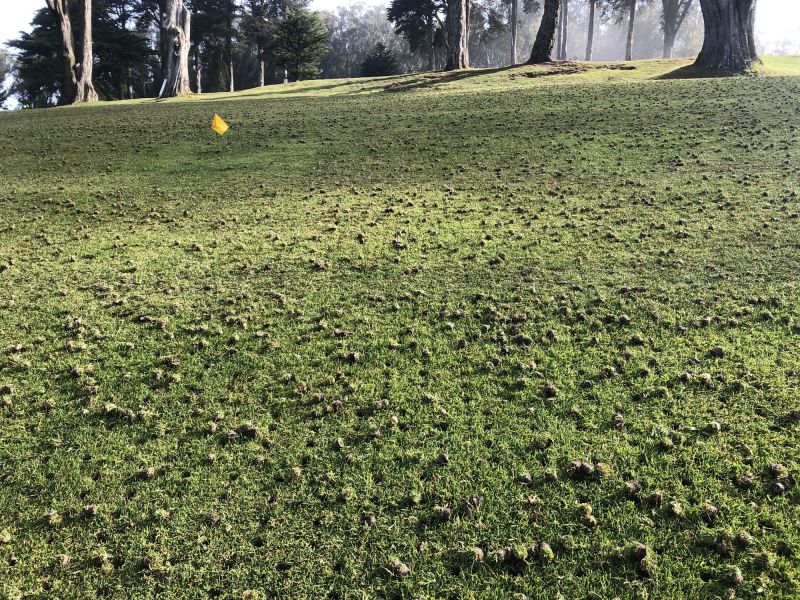
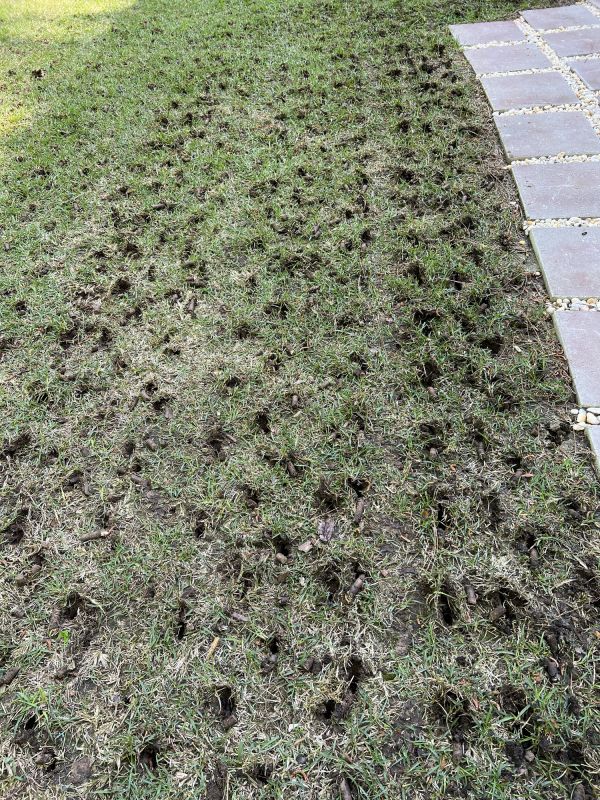
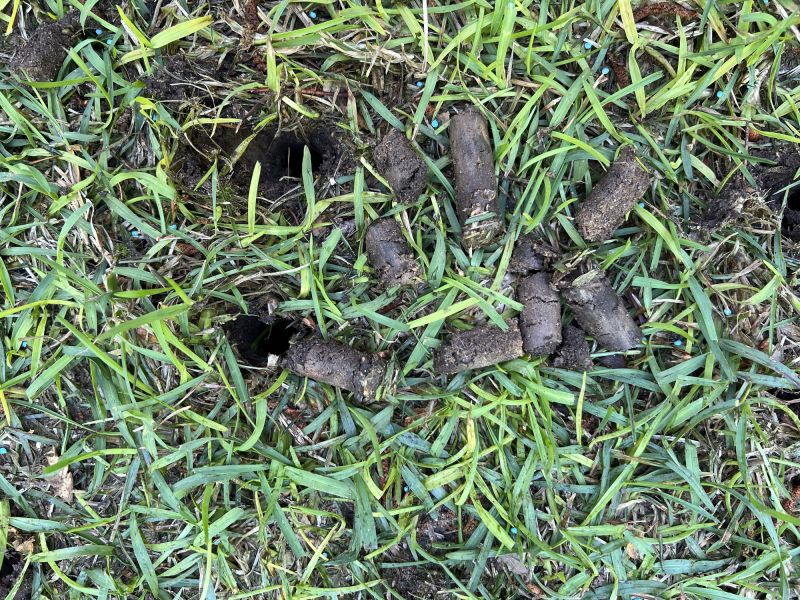
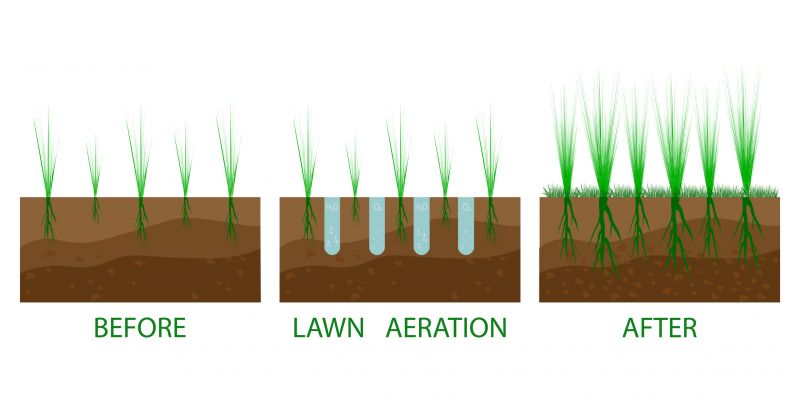
Understanding when a lawn needs aeration is a common concern among homeowners looking to maintain a healthy, lush yard. Typically, people searching for this topic want to identify signs that their soil has become compacted or that grass growth is slowing down, which can indicate that air, water, and nutrients are not penetrating the soil effectively. Lawn aeration involves creating small holes in the turf to alleviate compaction and promote better root development. Recognizing the need for this service is often linked to observing specific problems such as thinning grass, uneven growth, or areas where water pools after rain. Homeowners planning to improve their lawn’s overall health often seek guidance on how to tell when aeration is necessary to ensure their efforts are well-timed and effective.
The concerns related to lawn aeration are frequently tied to issues like poor drainage, patchy spots, or a noticeable decline in turf vitality. When soil becomes overly compacted, grass roots struggle to access essential nutrients and moisture, leading to weaker, less resilient lawns. This can happen due to heavy foot traffic, frequent use of lawn equipment, or simply the natural settling of soil over time. Property owners who notice that their grass is not responding well to fertilization or watering might suspect that aeration could help. These problems are common on properties with high activity levels or those situated in areas with naturally dense or clay-rich soils, making aeration a practical step in the lawn care plan.
Properties that typically come up in discussions about lawn aeration include residential yards, suburban homes, and sometimes small commercial landscapes. These properties often feature turfgrass that has been in place for several seasons, with signs of soil compaction or poor growth becoming apparent. Lawns with high traffic areas, such as around play zones or pathways, are especially prone to needing aeration. Additionally, properties with clay soils or heavy clay mixes tend to benefit from aeration more frequently due to the tendency of these soils to compact easily. Local service providers who handle lawn aeration are experienced in assessing these property types and understanding the specific needs of different soil conditions, helping homeowners determine the right timing for this essential maintenance task.
When homeowners want to know how to tell when their lawn needs aeration, it’s important to look for practical signs that indicate soil health is declining. These include water pooling or runoff during watering or rainfall, grass that feels spongy or spongy when walked on, and areas where the grass appears thin, patchy, or slow to recover. If a lawn shows these symptoms, it is often a sign that aeration could improve soil structure and promote healthier growth. Engaging with local contractors who specialize in lawn aeration can help homeowners address these issues effectively. These professionals can evaluate the specific condition of a yard and recommend the appropriate timing and methods to restore soil vitality, ensuring the lawn remains vibrant and resilient over time.
Soil Testing Services - soil testing helps determine compaction levels and nutrient deficiencies, which are key indicators that your lawn may need aeration. Local contractors who offer soil testing can identify underlying issues affecting turf health.
Lawn Dethatching - dethatching involves removing thick layers of thatch that can prevent air, water, and nutrients from reaching the soil, often signaling the need for aeration to improve lawn condition. Service providers specializing in dethatching can assess if aeration is beneficial.
Overseeding Projects - overseeding requires proper soil conditions for seed germination, which can be hindered by soil compaction. Local pros who perform overseeding can evaluate whether aeration would promote better seed-to-soil contact.
Drainage Improvement - poor drainage often results from soil compaction, making aeration a recommended step. Local contractors experienced in drainage solutions can determine if aeration can help alleviate water pooling issues.
Landscape Planning and Preparation - preparing a lawn for new landscaping or sod installation involves assessing soil health, where aeration can be a crucial part of the process. Service providers can advise on soil conditioning techniques.
Grass Repair and Renovation - repairing patchy or damaged areas may require aeration to promote healthy root growth and turf recovery. Local experts in lawn renovation can evaluate soil conditions to recommend appropriate treatments.
When evaluating potential service providers for lawn aeration, it is important to consider their experience with similar projects. A contractor who has handled lawns with conditions comparable to your own can offer insights into what your yard might need and how best to address it. Asking about their previous work or seeking references related to lawn care services can provide a clearer picture of their familiarity with common issues that signal the need for aeration. This helps ensure that the contractor understands how to identify signs such as compacted soil, poor drainage, or uneven growth, which are typical indicators that aeration could improve the health of the lawn.
Clear, written expectations are essential when comparing local contractors for lawn aeration services. A reputable service provider will be able to outline what the process involves, including the scope of work and the expected outcomes. Having this information in writing helps prevent misunderstandings and provides a basis for evaluating whether their approach aligns with your lawn’s specific needs. It also allows homeowners to ask informed questions about the methods used and to ensure that the services offered will address the signs indicating a lawn might benefit from aeration.
Good communication is a key factor in choosing the right local contractor for lawn aeration. Service providers who are responsive and willing to discuss your concerns demonstrate their professionalism and commitment to understanding your lawn’s condition. Effective communication also includes providing detailed explanations of what the aeration process entails and how it can improve turf health. This transparency helps homeowners make informed decisions and feel confident that the contractor will listen to their observations about their lawn’s performance, such as areas of thinning grass or soil compaction, and tailor the services accordingly.
Property owners often search for how to tell when your lawn needs aeration when they are planning practical projects around their homes and businesses. Local pros provide Lawn Aeration services for everyday jobs and straightforward project options.
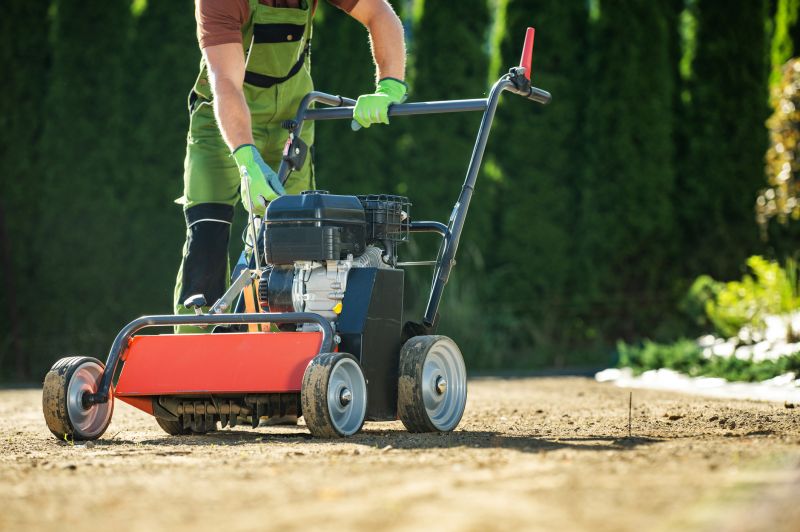
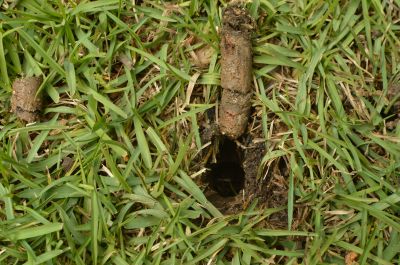
Property owners in the area often notice their lawn becoming less lush and vibrant over time, especially during the peak growing season. Signs such as uneven grass growth, persistent moss, or areas that seem to struggle despite regular watering and fertilizing can indicate a need for aeration. When soil becomes compacted from foot traffic, heavy equipment, or natural settling, it can prevent air, water, and nutrients from reaching the grass roots effectively. In these cases, local contractors who specialize in lawn aeration can assess the situation and determine if aeration services could help restore healthy growth.
Additionally, homeowners might observe that their lawn takes longer to recover after mowing or experiences increased thatch buildup, which can hinder root development. If the grass feels spongy or thatch layers are visibly thick, it could be a sign that aeration is needed to improve soil conditions. Local lawn care service providers are equipped to evaluate these symptoms and recommend appropriate aeration treatments. Engaging with experienced contractors can help ensure the lawn receives the proper care to promote a healthier, more resilient yard.
What are common signs that my lawn needs aeration? Signs include compacted soil, poor drainage, and areas where the grass appears thin or patchy, indicating that the soil is not allowing air, water, and nutrients to reach the roots effectively. Local contractors can assess your lawn and recommend aeration if these issues are present.
How can I tell if my soil is too compacted? If you notice that the lawn feels hard underfoot or that water pools on the surface instead of soaking in, it may be a sign of soil compaction. Service providers can perform a simple test to determine if aeration is needed.
Are there visual or physical indicators that suggest my lawn needs aeration? Yes, thinning grass, moss growth, or areas that struggle to recover after mowing can indicate compaction or that the soil needs aeration. Local pros can evaluate these signs and advise on the best course of action.
What lawn conditions suggest that aeration would improve its health? Conditions such as heavy foot traffic, clay soils, or lawns with persistent thatch buildup often benefit from aeration. Service providers can help determine if aeration is suitable based on your lawn’s specific conditions.
Is it possible to tell when my lawn needs aeration without professional help? While some signs are visible or physical, a professional assessment provides a more accurate evaluation of soil health and compaction. Local contractors can perform this assessment and recommend appropriate aeration services.
Soil compaction signs - noticing that the soil feels hard or resistant when walking across your lawn may indicate a need for aeration, which local contractors can address.
Thatch buildup - a thick layer of thatch can prevent water and nutrients from reaching roots, and lawn aeration services can help break it up effectively.
Poor grass growth - patches of weak or thinning grass might be a sign that the soil isn’t allowing roots to thrive, with local pros providing aeration to improve growth.
Water pooling or runoff - areas where water collects or runs off quickly suggest soil compaction, and professional aeration can help improve absorption.
If you are thinking about how to tell when your lawn needs aeration for a property, this guide is meant to help you understand this topic, the typical project types, and how different options might fit your plans.
When you are ready, you can use the quote form on this page to share a few details about your project. From there, local pros can review the basics and follow up with options that match what you have in mind.